
Add Your Prefix Here
Why integration and not one school?
Each method is strong in its own area. By combining them, I gain tools for solving a wide range of problems—from rehabilitation to improving athletic performance.
WARP
Polestar Pilates
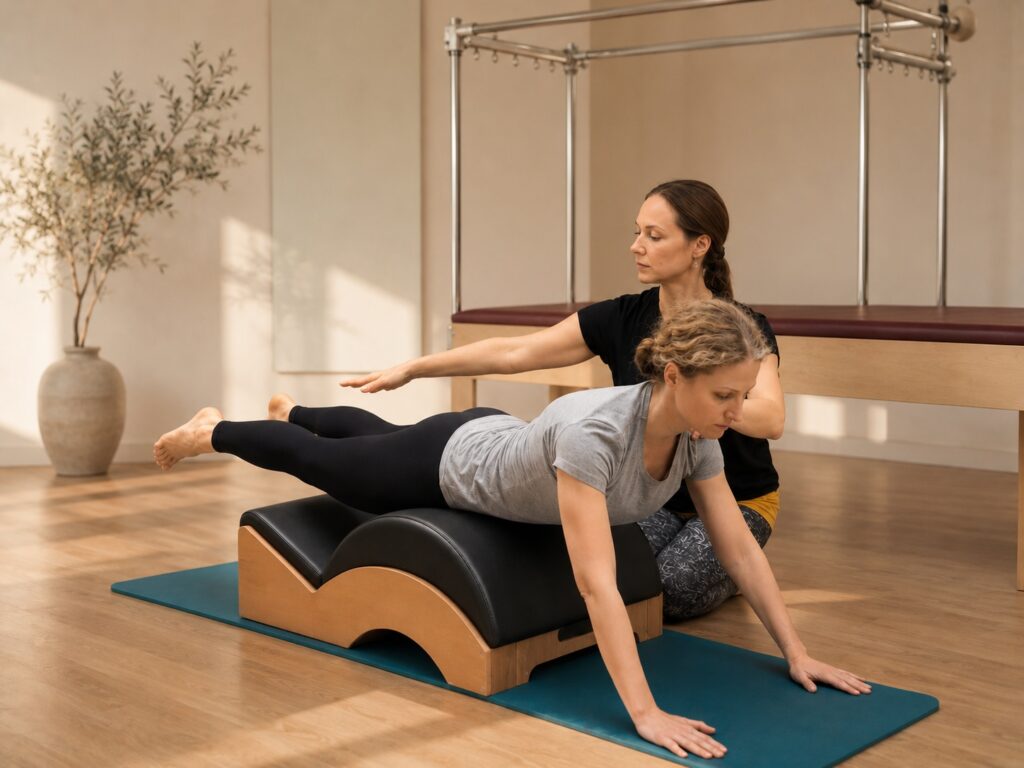
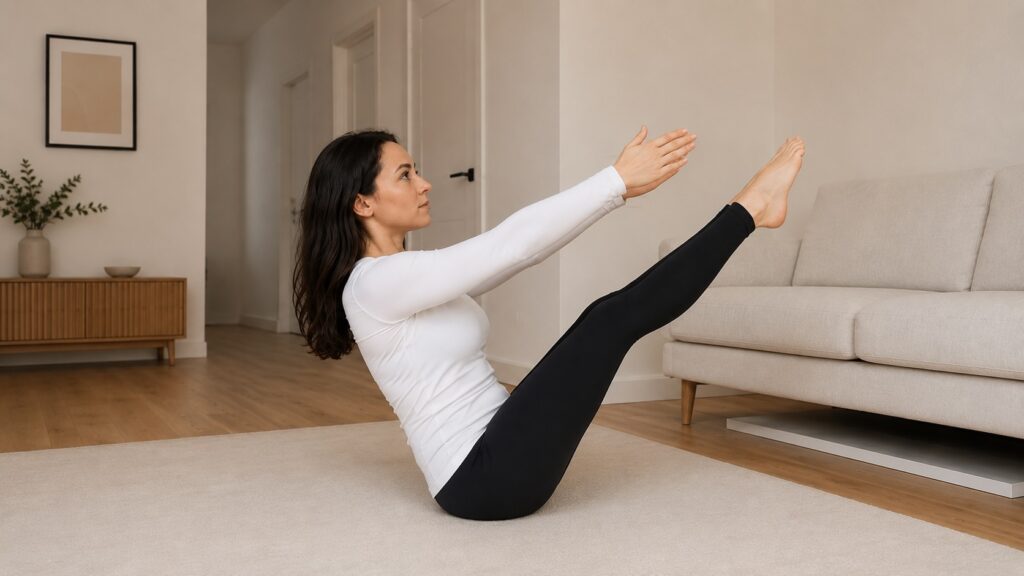
Polestar Pilates is one of the leading international Pilates schools, founded in the United States by Dr. Brent Anderson, PhD. The method combines classical Pilates principles with modern knowledge of biomechanics, neurophysiology, and human movement.
Unlike many approaches, Polestar focuses not on the “perfect” execution of exercises, but on the quality of movement, functionality, and adaptation of the practice to the individual’s characteristics.
Classes can be held on a mat or with specialized equipment, such as the Reformer, Cadillac, Wunda Chair, and Ladder Barrel. In my online classes, I utilize the principles and methodology of Polestar Pilates, adapting them to the capabilities of the remote format and the goals of each client.
FASCIA
Anatomy Trains
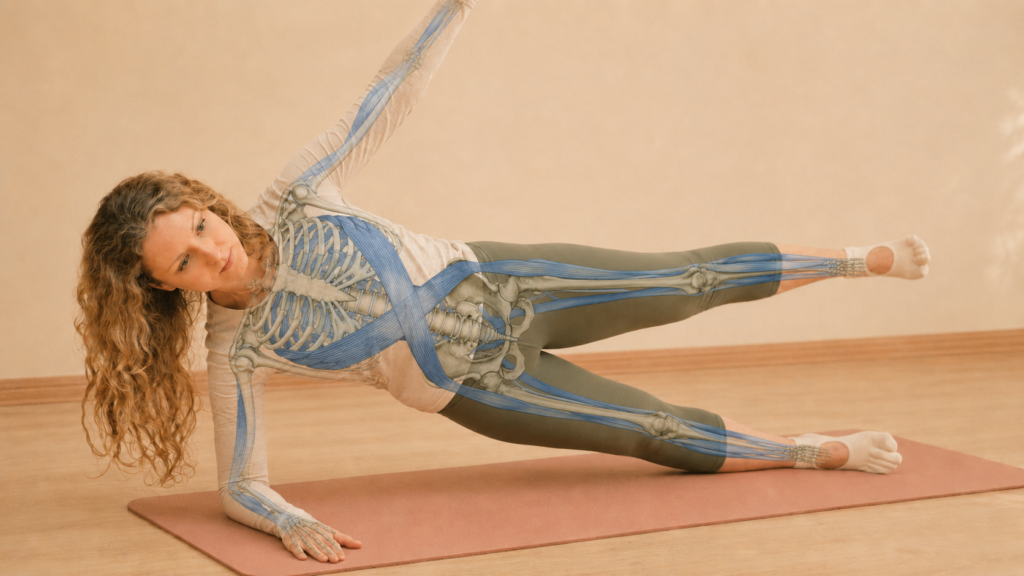
Anatomy Trains is a concept developed by Thomas Myers that describes the fascial connections in the body. Instead of viewing muscles individually, it suggests viewing the body as a system of interconnected myofascial lines that transmit load and movement from one area to another.
This approach helps us understand why foot discomfort can be associated with neck tension, and why restrictions in the thoracic spine can affect pelvic position and movement quality.
Knowledge of Anatomy Trains allows you to see the body holistically, identify the root causes of movement disorders, and develop more effective work on mobility, stability, and function of the entire body.
RECOVERY
BLACKROLL
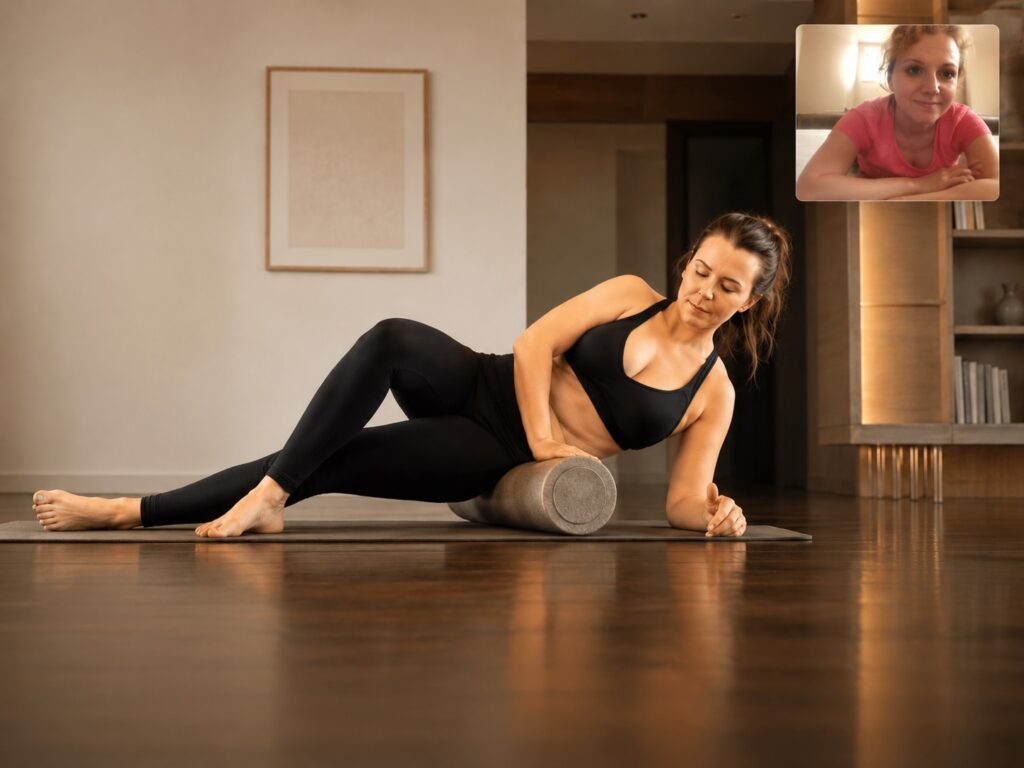
BLACKROLL is one of the world’s leading brands in myofascial release and recovery. I am a certified BLACKROLL trainer (ID T-4198).
Myofascial release techniques (MFR) using foam rollers and massage balls help reduce muscle tension, improve tissue and joint mobility, restore the natural movement of the fascia, and speed up recovery after physical activity.
In my practice, BLACKROLL techniques are used both to prepare the body for movement and exercise, and for post-exercise recovery. Elements of MFR can be seamlessly integrated into Pilates classes or conducted as standalone sessions, aimed at improving mobility, relieving stiffness, and enhancing the quality of movement.
Myofascial release also often helps with feelings of heaviness in the legs, swelling, and prolonged static loads. By improving tissue mobility and stimulating local blood and lymph circulation, the body begins to move more freely, and recovery processes are more effective.
AWARENESS
Franklin’s Method
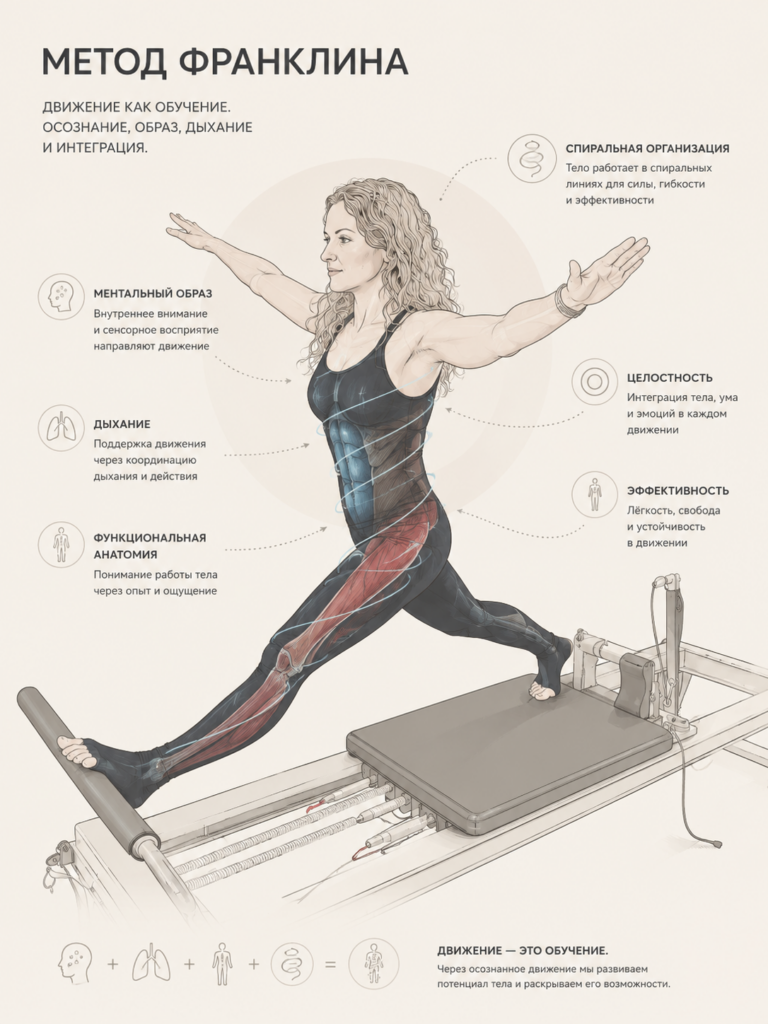
The Franklin Method, developed by Eric Franklin, combines modern knowledge of anatomy and biomechanics with imagery and specialized ball exercises. This approach helps improve coordination, posture, movement quality, and body awareness.
The method is particularly effective for working with breathing, the pelvic girdle, the spine, and motor control. The use of imagery allows the nervous system to more quickly acquire new motor skills and make movement more natural and efficient.
In my practice, I use elements of the Franklin Method to help clients better understand and feel their bodies. Carefully chosen visualizations often help them master complex movements more quickly, improve coordination, and transfer new skills to everyday life and sports.
ADDITIONALLY
Neurodynamics, psychology and modern approaches
In addition to my core methods, I continue to study and integrate modern approaches to movement and bodywork: neurodynamics, motor control, breathing strategies, and other approaches based on modern scientific evidence. I am also pursuing a degree in cognitive psychology, which helps me gain a deeper understanding of learning processes, motor skill development, and the interactions between the body and nervous system.
For me, continuing education isn’t a formality, but a necessary part of the profession. Movement science is constantly evolving, with new research and practical approaches emerging, so it’s important to regularly update your knowledge and critically evaluate new data.
Every year, I attend professional courses and seminars with leading international experts in movement therapy, biomechanics, Pilates, and motor rehabilitation to ensure I use the most relevant and effective tools in my work.
Готовы начать свой путь к здоровому телу?
Запишитесь на бесплатную диагностическую консультацию — обсудим ваши цели и составим план.